
Signs Your Attic Needs More Insulation in Henderson, NV
The local signature is an upstairs bedroom that climbs 5°F or more above the downstairs by mid-afternoon in June while your AC runs past 10 p.m. trying to catch up. That’s not normal desert living. It usually means your Henderson attic is either under-insulated, unsealed at the top plates and penetrations, or both. The cold-climate checklists most homeowners find online (ice dams, drafty drafts, frost) don’t fit here. Henderson walks its own walk, and the signs here are summer-specific, air-conditioning-centric, and sometimes show up only after a solar install or an HVAC service call disturbs what was already there. Call (844) 320-5338 for a free assessment if any of the following sound familiar.
Why the Standard Online Checklist Doesn’t Fit Henderson Homes
Henderson sits in the Mojave, and the cooling season runs roughly May through September with sustained 100°F+ days. Attic temperatures in Green Valley and Anthem tract homes can push past 160°F. The problem in this market is heat rejection, not winter warmth, so the meaningful diagnostic questions are different: how much hot attic air is being drawn into your return plenum, and how much heat is radiating through inadequately insulated ceiling joists into the rooms below. Homes built here from the late 1980s through the 2010s typically still carry original R-13-ish batt or blown insulation that has settled or been pushed around by HVAC and solar work. On top of that, pack rats and roof rats tunnel through attic batts and nest in blown-in cellulose, which collapses the fiber structure and drops R-value at the tunnel. That’s why a tape measure alone can mislead you in Henderson: depth looks fine, but the performance isn’t there across the whole floor.
The Five Henderson-Specific Warning Signs to Look For
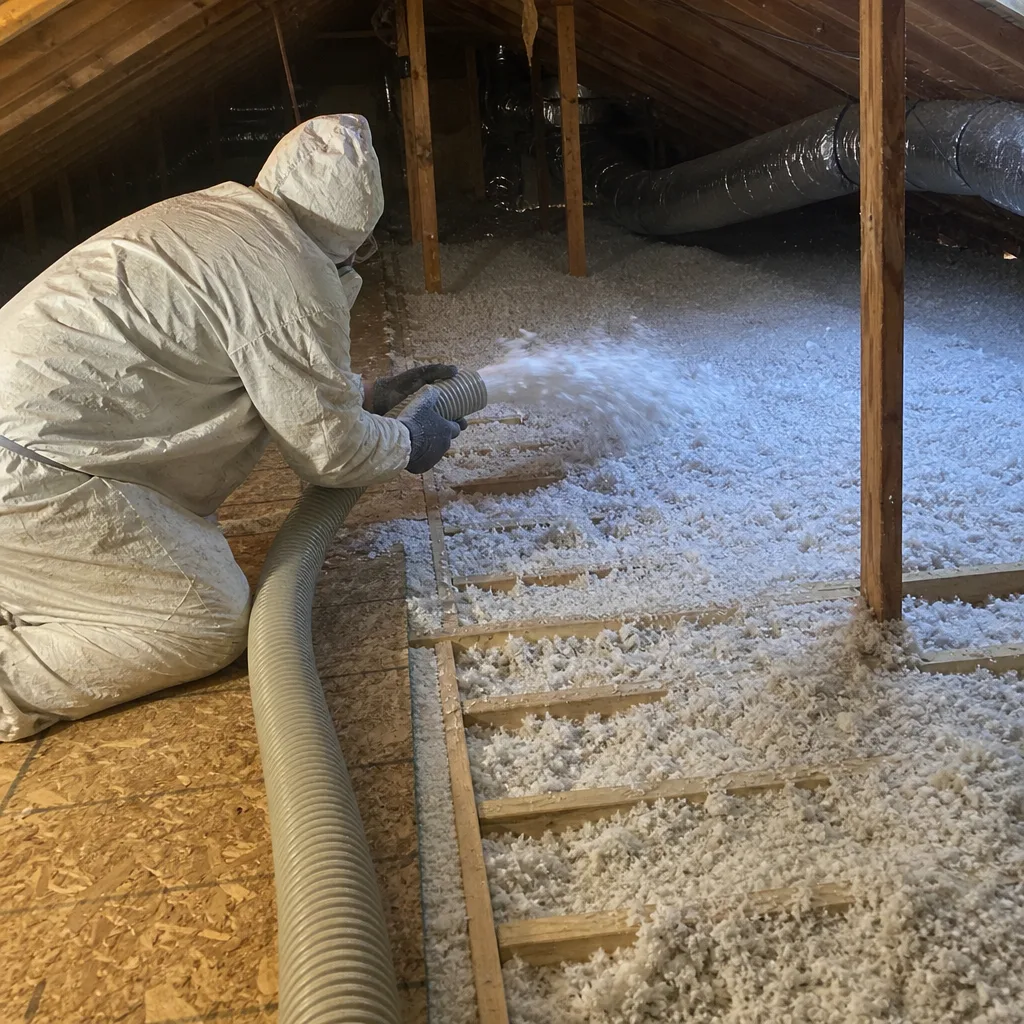
Compare these against what you actually notice in your home. One or two is worth an inspection. Three or more almost always means the attic needs air sealing and additional insulation to hit local performance.
- Your AC runtime stretches past 9-10 p.m. on 110°F days. A properly sealed and insulated attic lets the system recover and cycle off as the outdoor temperature drops. If yours is still grinding at bedtime, the attic heat load is overwhelming the equipment.
- Rooms directly under the roof deck run 5°F+ warmer than rooms over interior space. The guest room over the garage or the upstairs bedroom under the south-facing slope is the tell. That’s radiant heat coming through the ceiling, not a duct problem.
- Your NV Energy bill spikes in June, before the hottest weeks arrive. A June bill that climbs before the July and August stretch means the attic is already loading the AC early in the season.
- You can see daylight around recessed lights or the attic access hatch. Visible gaps around can lights or the top-of-wall hatch are air leaks. They also warn you that whatever insulation is in place has likely been disturbed.
- A musty or rodent smell drifts from supply registers when the AC kicks on. That’s attic air being drawn into conditioned space through unsealed penetrations, and it’s often the first sign of a nesting problem above the ceiling.
What a Solar Install Can Do to Your Henderson Attic Insulation
If your home got a photovoltaic array in the past five years and your energy bills went up or simply failed to drop the way the solar company projected, don’t blame the panels. Blame the racking. Installers penetrate the roof deck to mount the rails, and doing so compresses or displaces the insulation beneath the array. The result is a hidden hot spot: an area under your panels where R-value has collapsed, invisible from inside the living space and overlooked by every installer who packed up and left.
A physical attic inspection with a documented photo record reveals these disturbed zones. Our technicians use a camera to capture existing depth, air-seal condition, and any solar-rack disturbance, then show the homeowner exactly what a tape measure alone would have missed. Our technicians have up to 10 years of experience with our wood-frame stucco housing stock and the specific hot-spot patterns solar arrays leave behind.
The Blower-Door Test: What It Shows That a Visual Inspection Can’t
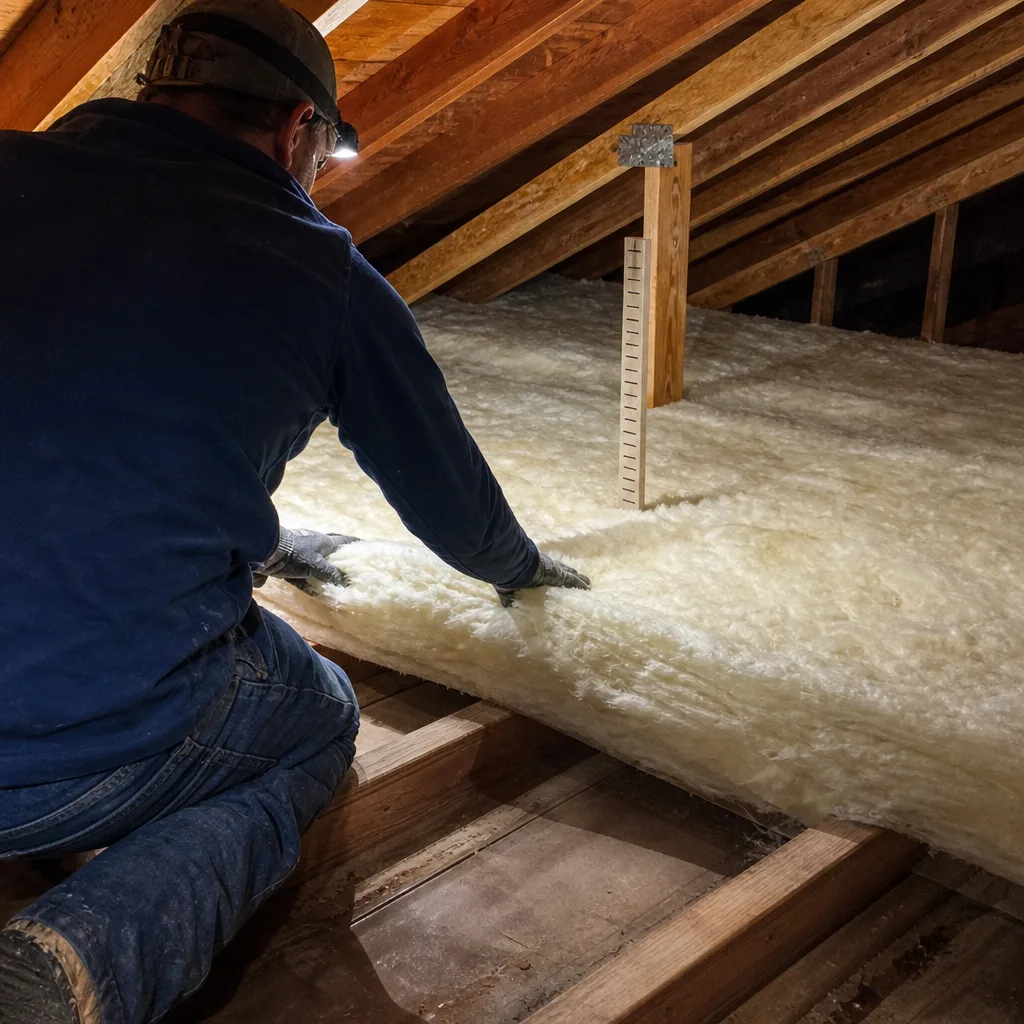
Visual inspection shows depth. A blower-door test shows performance. This is a pressurization test that depressurizes the home, then measures how many times per hour the entire conditioned volume of air escapes the envelope. That figure is called ACH50 (air changes per hour at 50 pascals). In Henderson, a reading above 7-8 ACH50 almost always means there’s a detectable insulation-and-air-seal problem, even when the tape measure says the depth looks adequate. The test is the difference between “the insulation looks fine” and “here is the number that shows how much conditioned air your home was leaking.”
At Envelope Insulation Henderson, we run the test before work begins and again after, then publish both readings on every applicable job. That’s how the homeowner verifies what they paid for. The Haven Standard has required this since 2016, back when we started demanding a written price and a documented record on every job.
The Pack-Rat Indicator: When Depth Doesn’t Tell the Truth
Desert critters change what “insulation depth” means. A pack rat or roof rat will tunnel through blown-in fiberglass or cellulose to build nests in the middle of your attic floor. Those tunnels collapse the fiber, kill the R-value at that location, and leave droppings, urine stains, and nesting debris visible at the attic hatch. That’s the cue that your depth numbers are not reliable everywhere above the ceiling. If you’ve found debris, the right sequence is removal and rodent proofing first, then air sealing, then fresh insulation – never just topping off over the problem. See our Insulation Installation in Henderson page for how that sequence runs on a real job.
What to Look For at the Attic Hatch Before You Call Anyone
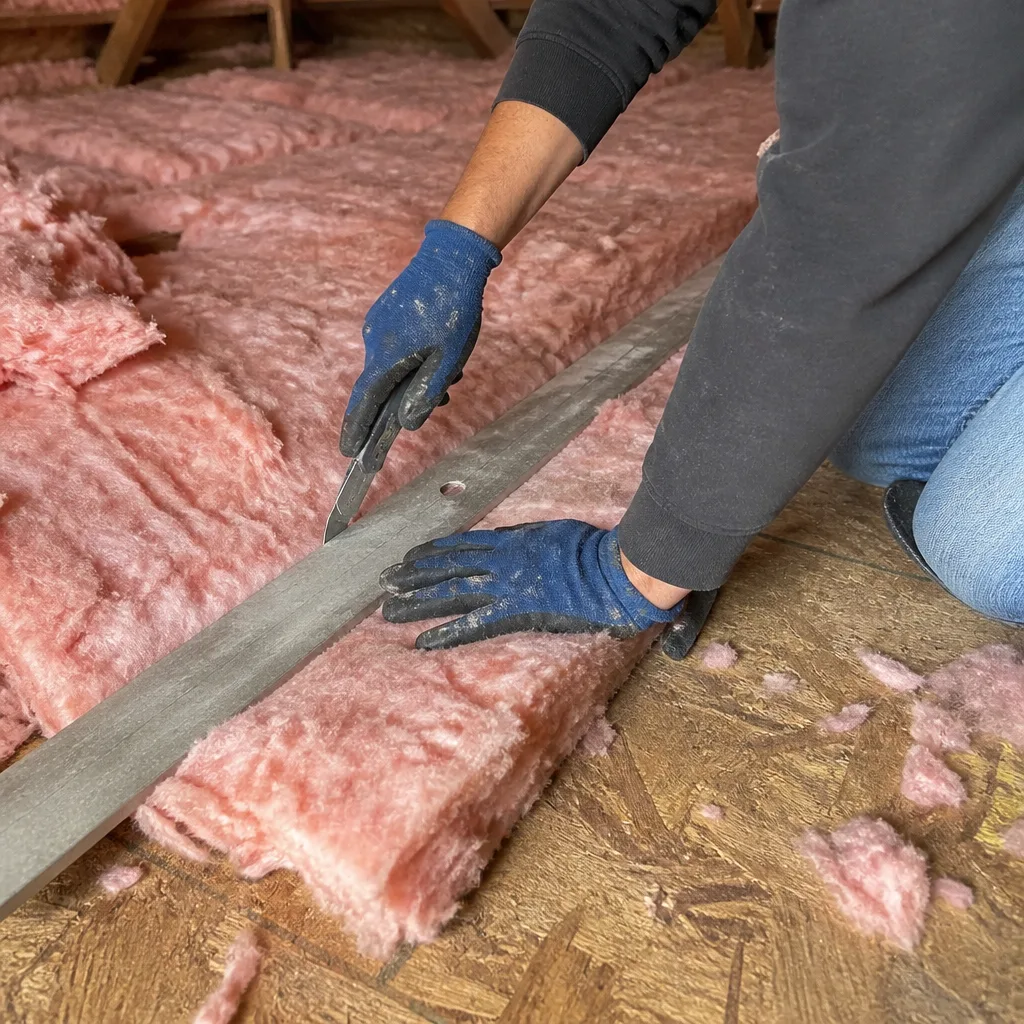
You don’t need to climb into the attic to gather useful evidence. Open the hatch from below and look at four things:
- Depth: is the insulation level and even across the joists, or thin, settled, and patchy?
- Seal status: are top plates, can lights, and wire penetrations sealed with caulk or foam, or open to the attic air?
- Pest evidence: droppings, urine stains, nesting debris, or tunneled channels in the material.
- Disturbance: displaced material under roof penetrations, HVAC chases, or where solar racking was installed.
If you see any of the four, that’s a documented finding waiting to happen. Our free assessment turns it into a written scope, a photo record, and a flat price before any work starts.
What the Work Typically Costs in Henderson
The signs tell you whether you have a problem. Pricing tells you whether to act this season or next. Here are the ranges Henderson homeowners see for the work the signs above point toward:
| Scope | Typical Henderson Range |
|---|---|
| Attic air sealing only | $800 - $1,800 |
| Blown-in insulation upgrade (GreenFiber, Owens Corning) | $1,400 - $3,200 |
| Air sealing + insulation package | $1,900 - $4,200 |
| Insulation removal + rodent proofing + reinstall | $2,800 - $5,500 |
| Radiant barrier add-on | $1,200 - $2,800 |
Every job starts with a written price, and you’ll see the before-and-after blower-door readings when the crew leaves. If you want a second read on a competing estimate, we’ll go through it with you at no charge.
FAQs
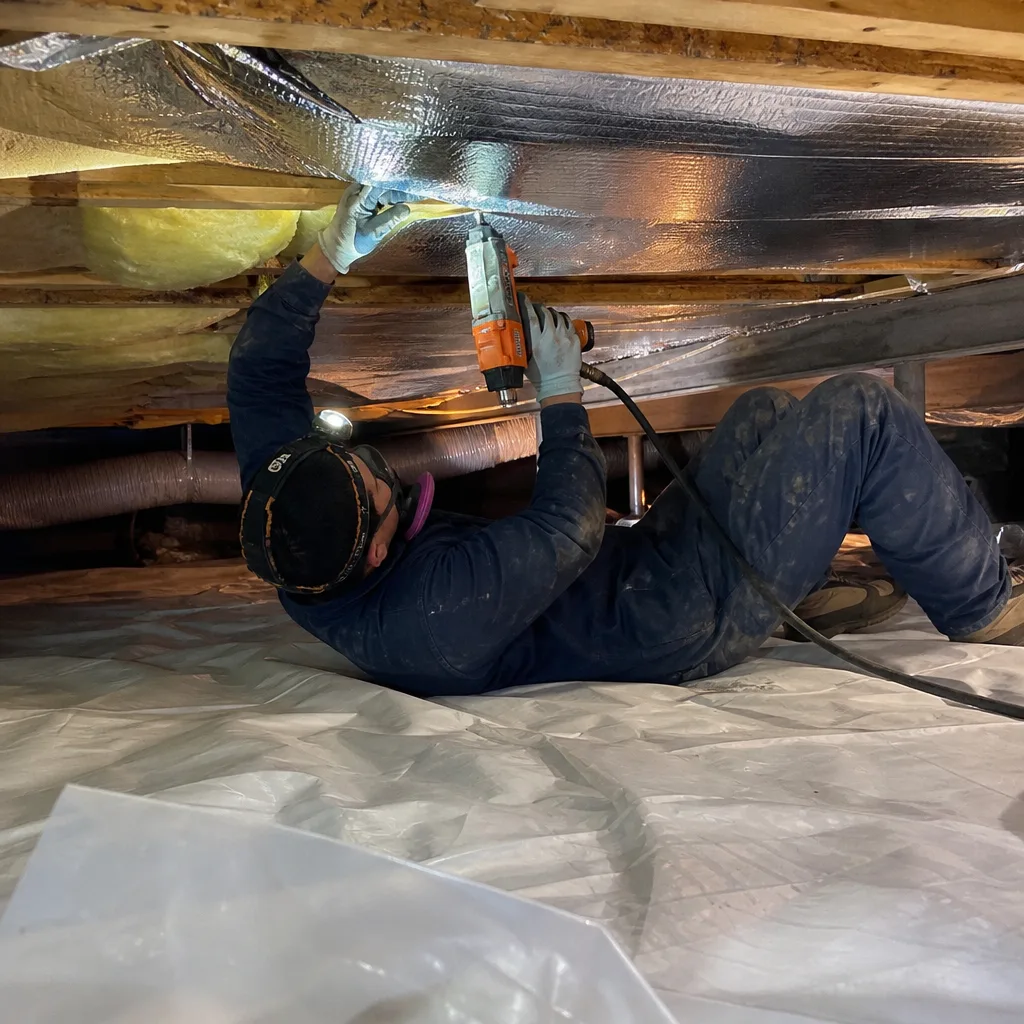
Look at three things together: AC runtime past 9-10 p.m. on 110°F days, rooms under the roof deck running 5°F+ warmer than interior rooms, and a June NV Energy bill that climbs before the hottest weeks. If all three are present, the attic is very likely under-insulated or unsealed. Call (844) 320-5338 to schedule a free assessment and get a written finding.
Yes, if the racking compressed or displaced the insulation beneath the array. Installers penetrate the roof deck to mount rails, and the insulation directly under those penetrations often collapses, creating a hidden hot spot invisible from the living space. A physical inspection with a photo record shows exactly what happened to the material.
Adding insulation is almost always cheaper than full replacement unless the material is contaminated or nested in by rodents. Topping off the existing depth works when the material is intact and the air sealing is already in place; full removal and reinstall costs more but is required when there’s pest debris, collapsed fiber, or disturbed material under a solar array. Call (844) 320-5338 for a flat-price written scope so you can compare both paths.
It’s included at no additional charge in our attic assessments. A standalone test typically runs $250-$450 from independent providers, but on our jobs you get a before-and-after reading as part of the work, so you can see the exact ACH50 change you paid for. Call (844) 320-5338 for a same-week assessment.
If you’d rather hand the diagnostic to someone who’s dealt with Henderson’s 160°F attics and pack-rat-riddled fiberglass for years, Envelope Insulation Henderson offers a no-pressure assessment across the city, with a written price before any work starts and a documented photo record when the crew leaves. Call (844) 320-5338.
Written by the team at Envelope Insulation Henderson, serving Henderson, NV.