

Rockwool Attic Air Sealing: The Henderson Owner’s Guide
Attic air sealing done with a Rockwool-compatible assembly in Henderson typically runs $1,400 to $3,800 installed for a 1,400 to 2,200 sq ft attic, and we can usually complete it within a week of the estimate – same-day only for smaller single-zone jobs. The work is air sealing first, then insulation, never the other way around. Most Henderson owners discover the problem the same way: a summer power bill in the $400s even though the AC is new, a room over the garage that runs 8 degrees warmer than the rest of the house, or a blower-door test from a home energy audit that came back above 4,000 CFM50.
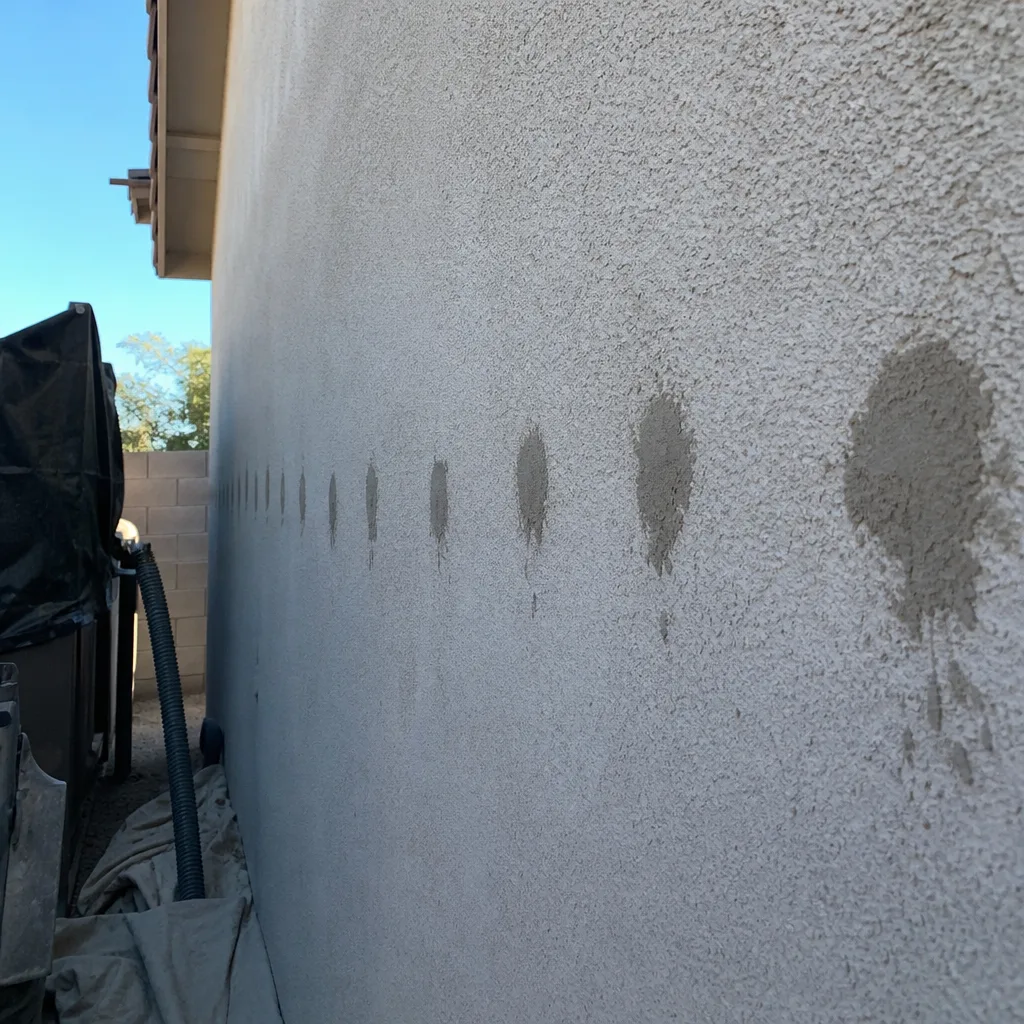
That last number is the one that matters. CFM50 is cubic feet per minute at 50 pascals of pressure – the single figure a blower-door test produces to show how much conditioned air your attic floor is leaking. Once it gets above roughly 3,500 in a 1990s-to-2010s Henderson home, you’re paying to cool the desert.
Key takeaways: air sealing is the prerequisite, not the upgrade; Rockwool batts go down over sealed top plates, not instead of sealing them; we publish before-and-after blower-door numbers on every applicable job.
Which Rockwool Models This Applies To
Rockwool is a mineral-wool product line, and “Rockwool” gets used loosely by homeowners to mean three different things: Comfortbatt (the batt product for attic floors and walls), Safe’n’Sound (an acoustic batt), and Rockwool’s blown loose-fill. The air-sealing work we do is compatible with all three, but the parts that get sealed are the same regardless of which Rockwool product sits on top: top plates, can lights, plumbing and wiring penetrations, the attic hatch perimeter, and the chases between wall cavities and the attic floor.
The one compatibility gotcha to know in Henderson: Comfortbatt batts come in standard widths that assume either 16-inch or 24-inch on-center framing. If your home was built between 2015 and 2025 in Henderson, it’s almost certainly 24-inch on-center in the attic, and a 16-inch batt leaves a 6- to 8-inch air channel at every cavity that reads on a blower-door test like a hole in the ceiling. Measure the framing before ordering batts.
On OEM versus aftermarket for the sealing components themselves (foam, caulk, gaskets, hatch covers), the aftermarket is often the better call – the branded sealant version and the standard can are frequently the same chemistry. For the Rockwool insulation itself, stick with a known product; the ASTM E84 fire rating and the R-value per inch assume a specific density, and a no-name mineral batt that doesn’t match it can’t be counted on for the same smoke and flame-spread performance.
Envelope Insulation Henderson is an independent service provider. We are not affiliated with Rockwool, and we don’t claim any exclusive or preferred status with them. We source from Owens Corning, Johns Manville, Knauf, Rockwool, CertainTeed, Icynene, Demilec, and GreenFiber – no proprietary lock-in – and we’ll install whatever product the written scope names.
Signs Your Rockwool Attic Air Sealing Is Failing
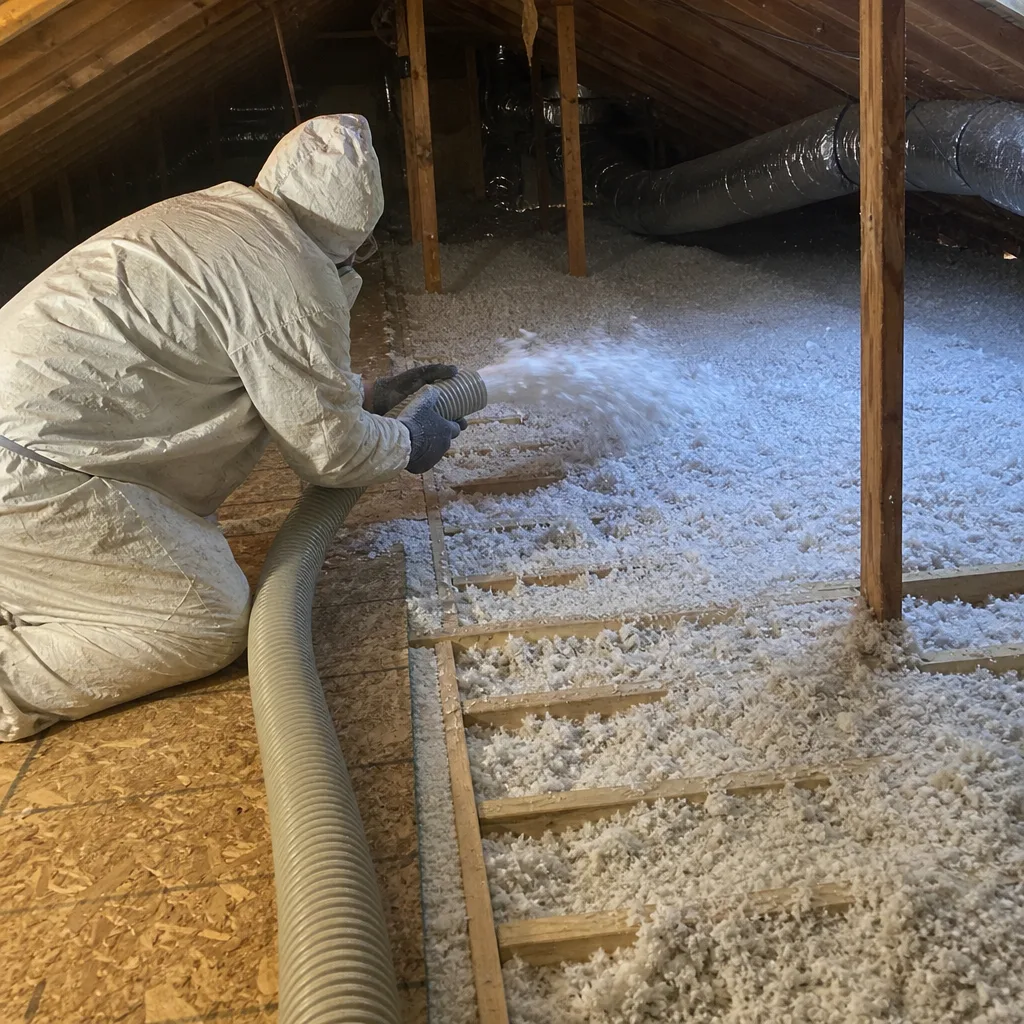
Air sealing fails in ways that are easy to mistake for other problems. Here are the five we see most in Henderson.
- Power bills climbing through the summer without a change in usage. A failed seal at the top plate opens a path for hot attic air to be pulled into the return, and the AC runs longer to hit the same setpoint. You’ll see it in July and August before you see anything in the attic itself.
- Dust streaks on the blown insulation or on the Rockwool batts. If you can see dark striping on the attic floor insulation, it’s a visual record of air moving through it – conditioned air carrying dust, filtered out of the flow and deposited as a mark. Failed penetration seals leave exactly this signature.
- A visible gap around a can light or a plumbing boot. These are the two most common failure points on a Henderson attic floor. The sealant around a can light dries, cracks, and pulls from the metal housing through the thermal cycling that comes with a southern Nevada summer, and pulls open the first time the fixture runs hot.
- A blower-door reading above 3,500 CFM50. If you don’t have a prior reading, the number to compare against is your neighbor’s: similar square footage, similar vintage, similar ceiling height. A 900 CFM50 gap on the same footprint is real leakage, not a rounding difference.
- The attic hatch that won’t sit flush. The weatherstripping on an attic hatch compresses and takes a set over two or three Henderson summers, and the hatch becomes a 2- by 3-foot hole in your ceiling. It’s usually the cheapest fix on the list and the most overlooked.
Replacement Cost & What’s Included
For a typical Henderson attic, installed air sealing with a Rockwool-batt or blown-fill top layer runs $1,400 to $3,800. The number of penetrations to seal is the main driver, not the square footage – a 2,000 sq ft single-story with a simple ceiling plane costs less than a 1,400 sq ft two-story with a vaulted plane and a dozen can lights. A Rockwool batt or blown-fill layer over the sealed floor adds $900 to $2,200 to the total, depending on the target R-value.
The written scope is line-itemed, so you see the sealing work (top plates, can lights, plumbing and electrical penetrations, hatch perimeter) and the Rockwool product layer as separate line items. You also get the Documented Photo Record of every sealed penetration and both blower-door readings, before and after. Under Haven Standard Clause 1: flat price, written scope, written warranty before anyone lifts a tool. No work starts on a handshake. Every completed job is covered by the 365-Day Done Right Promise.
DIY or Call Us?
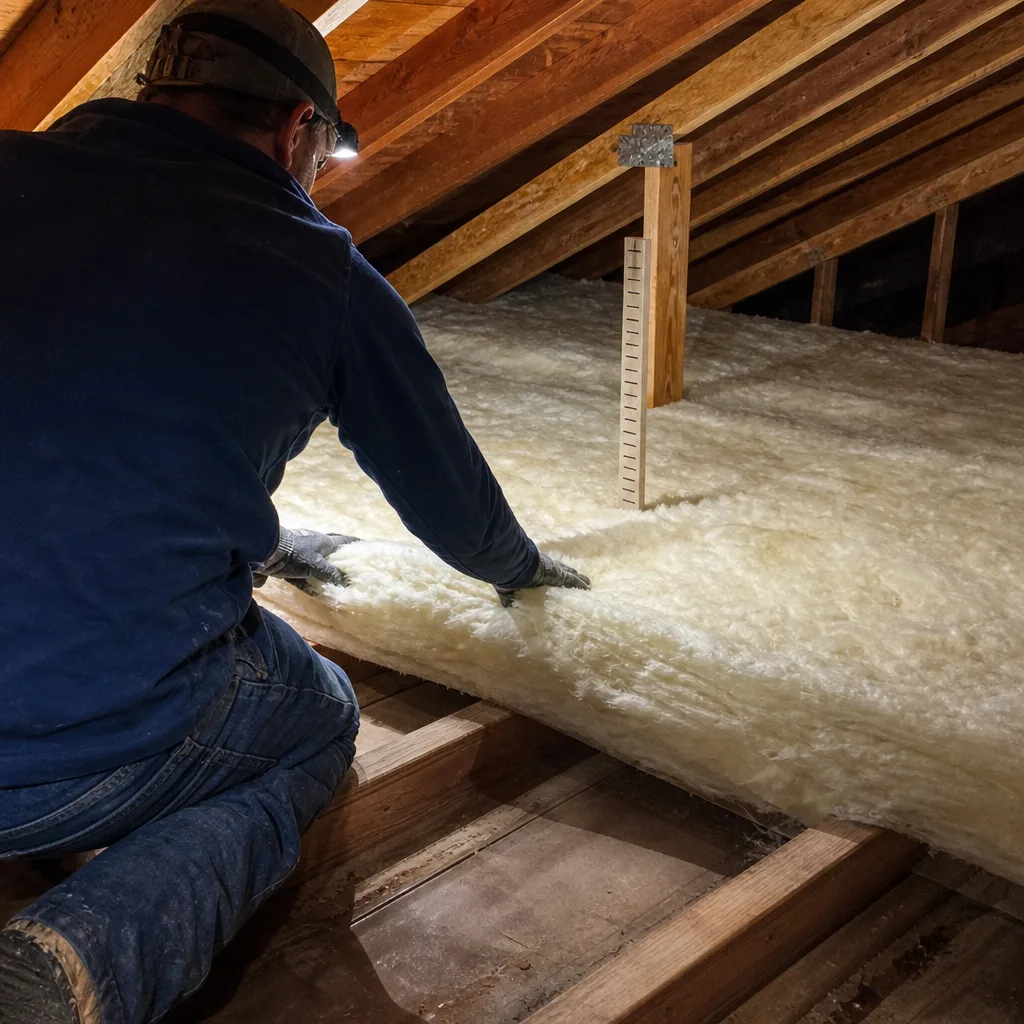
Some of the check is yours. You can look at the blower-door reading on any prior energy audit, measure your attic framing to confirm 16- or 24-inch on-center, and check the attic hatch weatherstripping for a set or a torn gasket. Replacing the hatch gasket is a hardware-store job and you can do it yourself.
What we don’t recommend doing yourself: sealing a can light from above with a foam product, at the wrong temperature, without confirming it’s a sealed or unsealed can. The wrong foam on a non-IC (insulation-contact-rated) fixture can trap heat and create a fire risk, and the fix is a different product, not a better application. In southern Nevada, attic temps routinely exceed 130°F in July and August, and that’s the temperature at which the sealing product’s cure time and bond start to work against you. Blowing Rockwool over an unsealed floor is the other failure we see most – the batt or fill can’t seal the leak, and the leak just goes undetected. Under Haven Standard: sealing completed and blower-door-verified first, insulation second. Call (844) 320-5338 and we’ll read the written estimate with you before you commit to anything.
FAQs
Ten to fifteen years is the working number for the sealing components in a Henderson attic, and the Rockwool product layer itself doesn’t have a meaningful service life – mineral wool holds up. The sealant, gaskets, and weatherstripping are what you’re really replacing on that timeline. The southern Nevada thermal swing, with attic temperatures past 130°F in summer and near-freezing mornings in January, is what drives the sealant life, not the Rockwool.
Often yes, and we check the sealant penetrations first for that reason. A failed can-light seal or a few pulled top-plate seams are repair jobs. What tips the decision to full re-seal is a blower-door reading more than about 900 CFM50 above where the home should be, which means the leaks aren’t just cosmetic. Call (844) 320-5338 and we’ll walk you through what the fix looks like for your attic.
A single-zone attic air sealing job is one day for most Henderson homes – the sealing takes four to six hours if the attic is clear, and the Rockwool layer goes on after the blower-door reading is taken. Two-story attics with a vaulted ceiling plane sometimes run into a second day. We’ll give you the timeline in writing before anyone starts.
We source Rockwool through the standard distributor channel and don’t carry any proprietary product lock-in. Rockwool isn’t the only mineral wool on the shelf – we also source through Owens Corning, Johns Manville, Knauf, CertainTeed, Icynene, Demilec, and GreenFiber – and the written scope will name the exact product line and R-value so there’s no substitution after the estimate is signed.
The attic floor in a Henderson home is the single biggest control point in the envelope, and it’s also the part most often insulated without being sealed first. We come out, take a baseline blower-door reading, seal the top plates, can lights, penetrations, and hatch perimeter in that order, then lay the Rockwool down over a sealed surface. You leave with a documented photo record, a before-and-after blower-door number, and a written warranty on the work. Call (844) 320-5338 for a free estimate, and mention Reflectix if it’s already up there – we also service it.
Written by the team at Envelope Insulation Henderson, serving Henderson and nearby areas.