
Last updated November 17, 2026
Insulation Permits, Codes & Inspections in NV: What You Need to Know
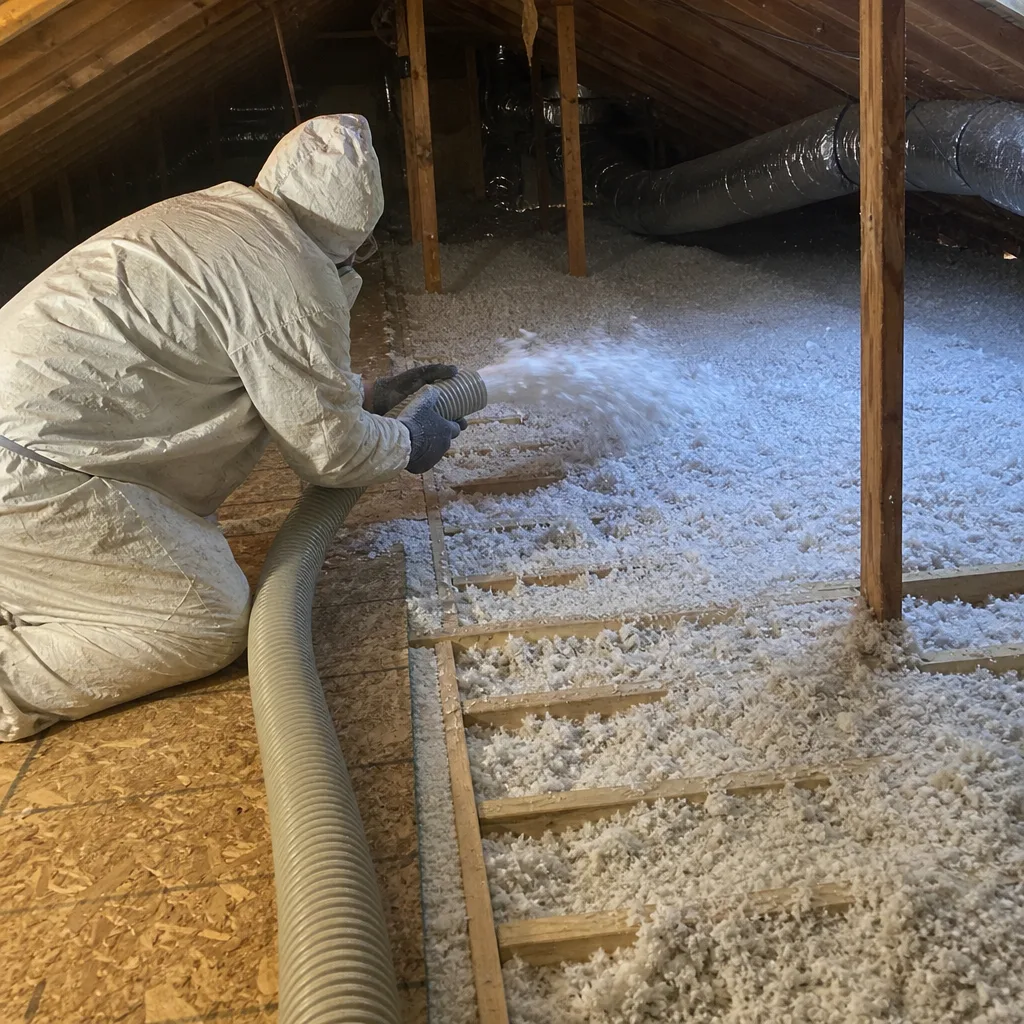
Here’s a fact that surprises almost every Henderson homeowner we talk to: an insulation job can pass its final inspection with a code-compliant R-value and still deliver no measurable improvement in how your house actually holds air. The reason is simple. A Clark County residential inspection verifies installed depth, product labeling, and vapor retarder placement. It does not include a blower-door test. That means the air barrier underneath the insulation – the top plates, the can lights, the penetrations where conditioned air leaks out – never gets checked. In this guide we’ll walk through Nevada’s current energy code, when insulation work triggers a permit in Henderson, what a real inspection checks versus what it misses, and how to request the paperwork that matters later for disclosure and insurance.
Quick Answer
Nevada currently operates on the 2018 IECC with state amendments, which sets minimum R-values by climate zone and requires new construction to hit 3 ACH50 on a blower-door test. Insulation replacement usually needs a permit in Henderson when you disturb a significant portion of the assembly or change attic access; adding a few batts typically does not. The critical gap: inspectors verify what’s installed, not how airtight the building envelope is, so a permit sign-off does not guarantee performance.
Table of Contents
- What energy code does Nevada actually enforce?
- R-value minimums for ceilings, walls, and floors in Climate Zone 3B
- When insulation work triggers a permit in Henderson
- What a Clark County energy inspection checks (and what it doesn’t)
- Code minimum vs. blower-door performance: what 3 ACH50 really means
- How to request your inspection record and certificate of completion
- Common mistakes to avoid
- Frequently asked questions
What energy code does Nevada actually enforce?
Nevada adopted the 2018 International Energy Conservation Code with state-specific amendments, and that’s the framework local jurisdictions like Henderson build their permitting processes around. The 2018 cycle represents a meaningful step up from 2012, particularly in its treatment of air sealing and envelope tightness. In practical terms, it’s the difference between “install the right R-value” and “install the right R-value into a sealed assembly.”
Henderson falls into Climate Zone 3B – hot and dry. That zone designation drives every R-value number in the code, and it’s also why our summers punish a leaky attic so severely. When it’s 112°F outside and your attic floor is riddled with unsealed penetrations, the R-49 you paid for can’t stop the stack effect pulling that heat into your living space.
Here’s the piece most homeowners don’t hear: states can adopt a code and still see wide variation in how it’s enforced locally. The energy code sets the floor. The inspector’s checklist determines what actually gets verified. Those two things are not the same, and in Clark County the checklist stops short of airtightness testing on residential retrofit work.
- Code in force: 2018 IECC with Nevada amendments
- Climate zone for Henderson: 3B (hot-dry)
- New construction airtightness target: 3 ACH50 or better
- Retrofit airtightness testing: not part of the standard residential inspection
R-value minimums for ceilings, walls, and floors in Climate Zone 3B
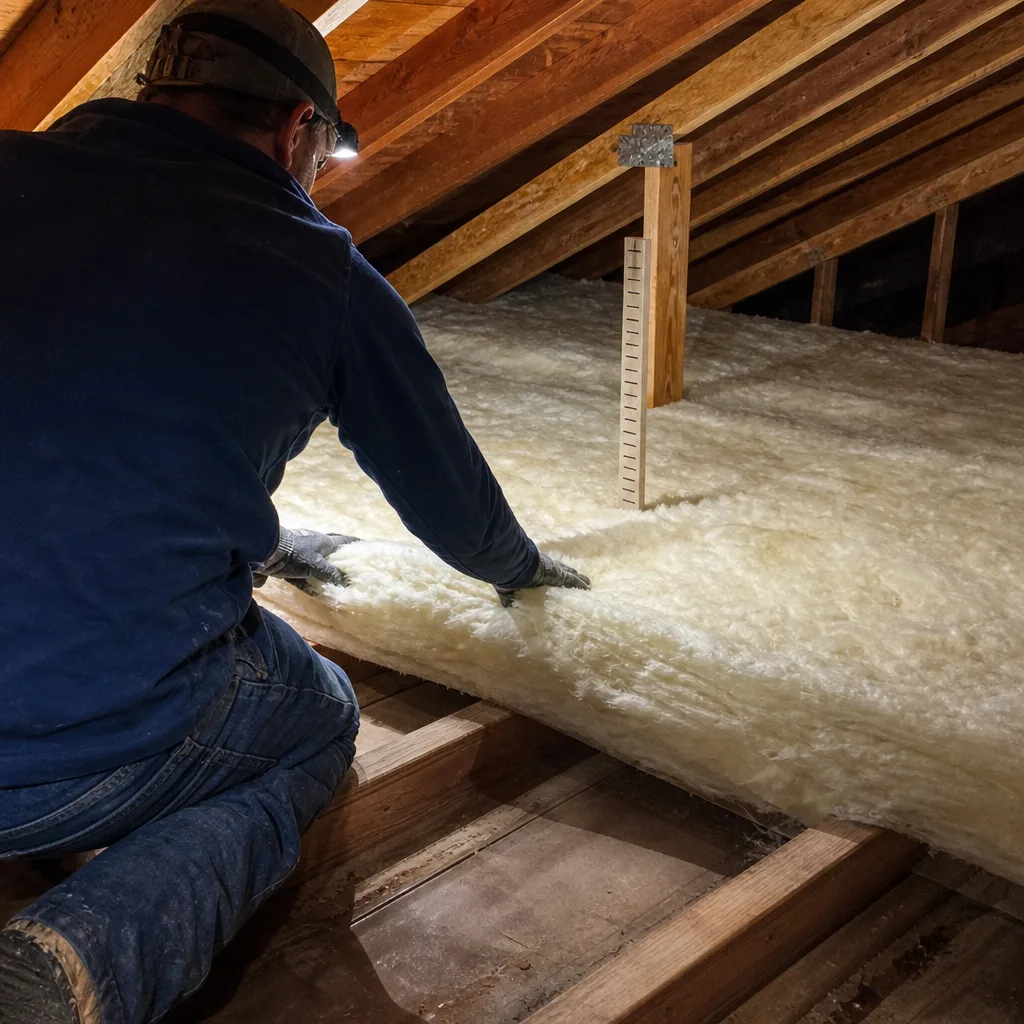
R-value measures a material’s resistance to heat flow. Higher is better, but only if the material is installed in a continuous layer without voids, compressions, or air moving through it. Below are the minimums a Henderson insulation job needs to meet for code compliance under the 2018 IECC for Climate Zone 3B. Treat these as the floor, not the target.
- Attic ceiling: R-38 minimum, though most Henderson homes benefit from R-49 or higher given the summer heat load
- Wall cavity: R-13 to R-20 depending on the assembly and framing type
- Floors over unconditioned space: R-19 typical minimum
- Slab edges (where applicable): R-10, primarily a new-construction concern
- Cathedral and flat ceilings: R-30 minimum, often achieved with spray foam
Where homeowners get tripped up is the last sentence of the code language: “installed in a manner that maintains the rated R-value.” Batts crammed around an electrical box, blown insulation blown over an unsealed attic floor, or spray foam applied too thin to reach its rated thickness all technically meet the label requirement and fail the performance requirement. That’s the gap we built our process around. We never blow insulation over an unsealed attic floor – air sealing of top plates, can lights, and penetrations comes first, always.
For a closer look at what the right assembly looks like in Henderson, our Attic Insulation in Henderson page details the sequencing and materials, including products from CertainTeed and GreenFiber depending on the assembly.
When insulation work triggers a permit in Henderson
Not every insulation job needs a permit, but the lines are less obvious than most homeowners expect. Here’s a working decision tree we use on every Henderson estimate.
- Replacement of an existing assembly. If you’re removing old insulation and installing new across most of an attic, wall, or crawl space, plan on a permit. This is a structural envelope change and the inspection record matters.
- Addition over existing insulation. Adding a few inches of blown-in over existing material usually does not require a permit, provided the assembly stays intact and no electrical or HVAC components are disturbed.
- Changed attic access. Moving or enlarging an attic hatch, or adding a new access point, often pulls the whole job into permit scope because it alters the envelope.
- HVAC equipment changes. Replacing a furnace, air handler, or ductwork that runs through the attic frequently triggers a permit, and once the ceiling assembly is opened, the insulation in that path is part of the permitted work.
- Disturbed area threshold. Henderson’s permitting office applies a disturbed-area threshold – roughly 25% of the assembly – to determine whether a repair-level job crosses into permit territory. Ask before you start, because the answer determines whether you get an inspection record or a handshake.
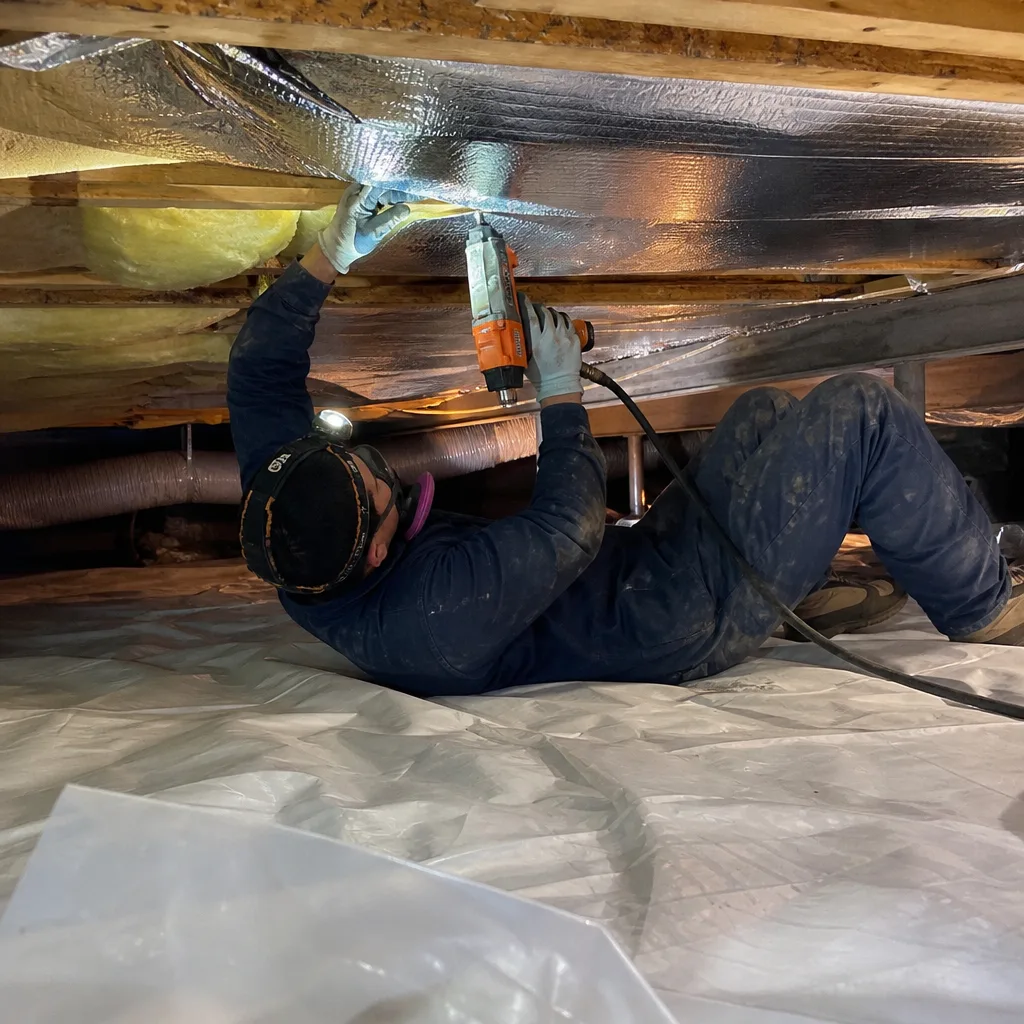
One more trigger worth knowing: if you’re touching the vapor retarder placement in a crawl space or wall cavity, that’s an envelope modification that usually requires a permit. Our Crawl Space Encapsulation & Vapor Barrier in Henderson page walks through the assemblies that need to be inspected versus the ones that don’t.
What a Clark County energy inspection checks (and what it doesn’t)
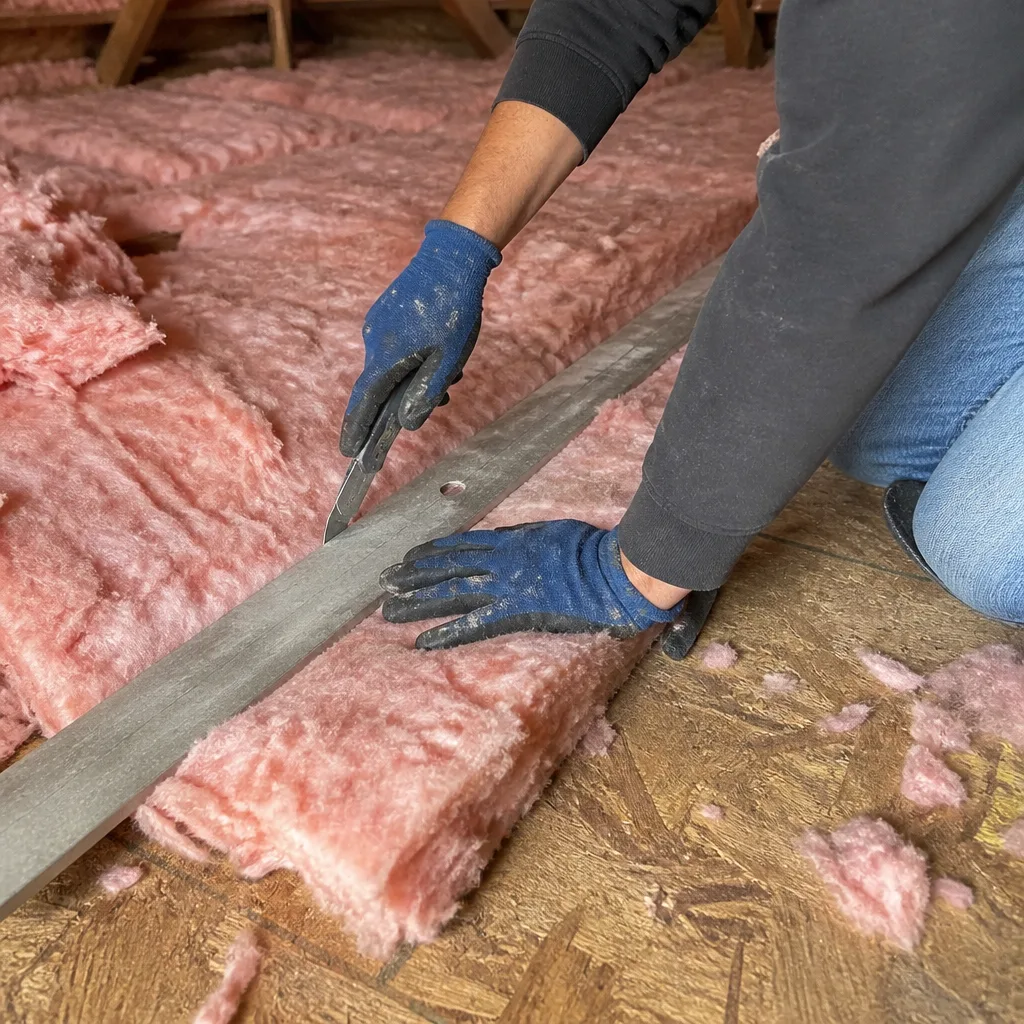
When the inspector arrives, the walkthrough is methodical and specific. Knowing what’s on the list tells you what to prepare and, more importantly, what a passing sign-off does not prove.
What the inspector verifies:
- Product label and manufacturer data sheet confirming the R-value
- Installed depth of blown-in insulation, measured at several points
- Consistent coverage across the attic floor, with no visible gaps
- Vapor retarder placement and orientation
- Clearance around flues, recessed lights, and chimneys where required
- Baffles at soffit vents to preserve ventilation clearance
What the checklist does not include:
- Continuity of the air barrier across the attic floor
- Sealing of top plates, can lights, and wiring penetrations
- Thermal bridging at framing members
- A blower-door test to verify the building envelope’s airtightness
- Duct leakage inside the conditioned space
We’ve inspected Henderson homes that passed final inspection and still tested at 5,000 CFM50 – a number that tells you the envelope is leaking conditioned air at roughly the rate you’d expect from a house with the front door cracked open. Passing inspection and performing are two different outcomes, and no inspection checklist in Nevada currently measures the second one on a retrofit.
Code minimum vs. blower-door performance: what 3 ACH50 really means
ACH50 is air changes per hour at 50 pascals of pressure. A blower-door test – a pressurization measurement that shows, in one number, how much air your building envelope is losing – pulls the house to 50 pascals and measures how much air has to be added to hold that pressure. The result tells you, in plain terms, how many times the entire volume of air inside the house leaks out in an hour under that test condition.
For new construction, the 2018 IECC sets the target at 3 ACH50 or better. On a 2,000-square-foot home with 8-foot ceilings, that’s roughly 800 cubic feet of air exchange per hour under test conditions. A house that leaks at 8 ACH50 is losing more than 2,000 cubic feet per hour – a figure that shows up on your summer bill in Henderson every single month from May through September.
The performance gap lives here. A retrofit can pass the installed-depth inspection with an R-49 ceiling and still test at 6 ACH50 if the air sealing was skipped. That’s why we treat air sealing as a hard prerequisite, not an upsell. We publish before-and-after blower-door readings on every applicable job so you can see exactly what you paid for – 4,200 CFM50 before sealing and 2,100 after is a concrete result; “significantly improved efficiency” is a marketing sentence.
If you’re considering spray foam to get there, our Spray Foam Insulation in Henderson page covers how Icynene and Demilec products behave in Climate Zone 3B assemblies.
How to request your inspection record and certificate of completion
This is the section most homeowners skip and later regret. The inspection record and certificate of completion are your proof that the work was done to code, and they matter in three specific situations: selling the home, filing a homeowner’s insurance claim after a water intrusion or fire event, and resolving a contractor dispute.
Here’s how to get them:
- Request the permit number from your contractor before work starts. If a permit was pulled, there’s a number. Get it in writing on the estimate.
- Ask the contractor to provide a copy of the approved inspection card. The inspector signs off on a card or in a digital portal; both are retrievable.
- Request the certificate of completion from the building department by calling the City of Henderson permit office or pulling it from the online portal using the permit number.
- File the certificate with your closing documents or insurance binder so it’s retrievable in a decade when you actually need it.
Under Haven Standard Clause 1, we don’t start work without a written price, written scope, and written warranty delivered first. That written scope includes the permit status and the documentation you’ll receive at the end – the Documented Photo Record and, on applicable jobs, the blower-door readings. If your current contractor can’t tell you what paperwork you’ll get when they leave, that’s your answer about how organized the job will be.
Common Mistakes to Avoid
- Assuming a passing inspection means an airtight house. The Clark County checklist verifies installed depth and labeling, not air barrier continuity. Ask for a blower-door reading if performance is what you’re paying for.
- Skipping the permit to save the fee. A permit here runs a few hundred dollars. Closing a home without an inspection record for work that required one can trigger a disclosure issue and reduce your negotiating position by more than the permit cost.
- Letting a contractor blow new insulation over unsealed penetrations. We see this constantly in Henderson’s older Green Valley and Lake Mead corridor homes – fresh R-49 over an unsealed attic floor, and the homeowner’s summer bill doesn’t budge.
- Forgetting to check attic access changes against the permit threshold. Enlarging the attic hatch for HVAC access is a common scope creep that should have triggered a permit and didn’t.
- Not requesting the certificate of completion. It’s the document your real estate agent and your insurer will ask for. Get it at the end of the job, not five years later.
- Trusting the R-value on the bag without confirming installed depth. Blown insulation that settles below its rated depth loses its rated R-value. Depth measurement is the check.
- Overlooking vapor retarder orientation in a crawl space. Face-in vs. face-out matters in Climate Zone 3B, and getting it wrong traps moisture rather than shedding it.
When to Call a Professional
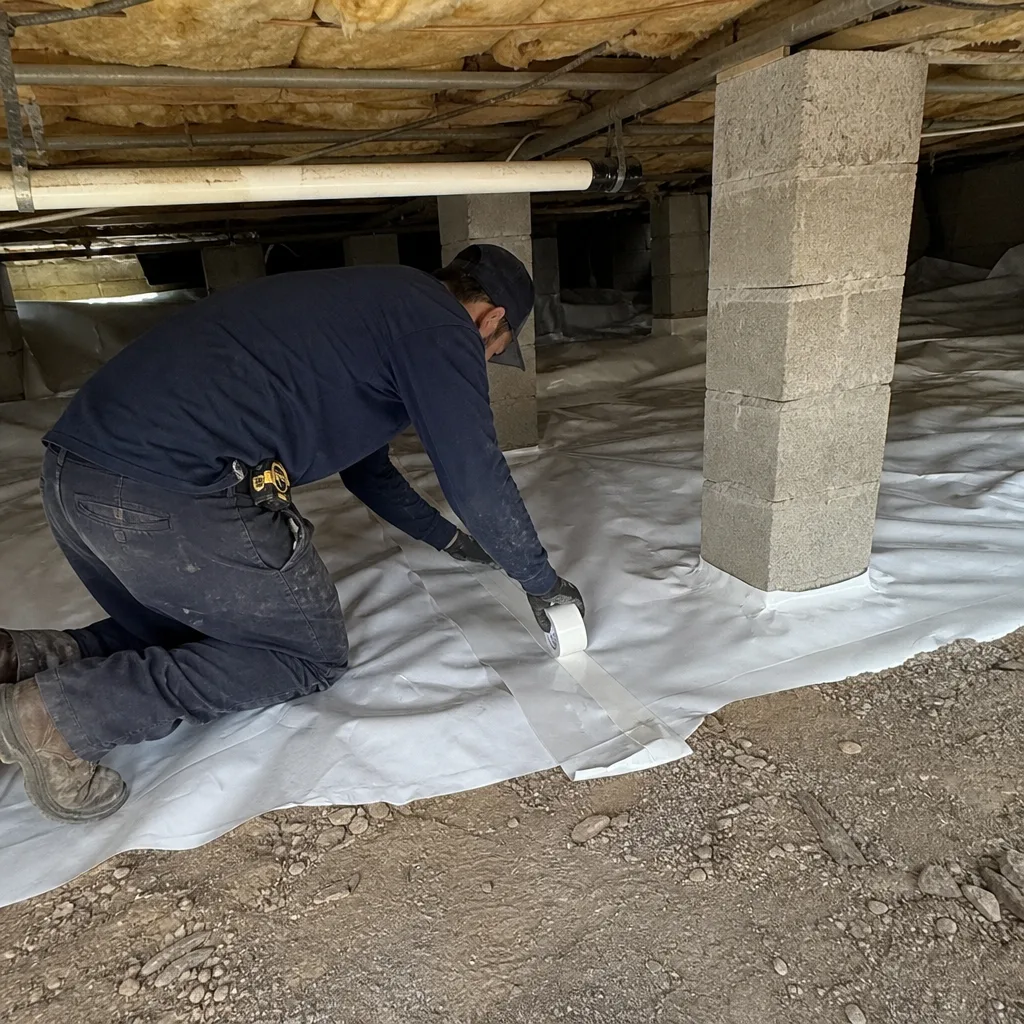
If your job involves removing old insulation, changing attic access, disturbing a vapor retarder, or coordinating with HVAC work in the same assembly, that combination puts you squarely in permit territory – and in the category of work where an inspection record matters later. The same applies if the attic shows signs of rodent activity, moisture staining, or prior unpermitted work. We’ve opened up plenty of Henderson attics where the previous insulation was installed without a permit and without sealing, and the correction cost was higher than the original job would have been done right. Our technicians have up to 10 years of experience reading these assemblies and can tell you what the code requires and what actually performs. For a closer look at how we approach the building envelope as a whole, see our Envelope Insulation Henderson home page.
Envelope Insulation Henderson offers free estimates in Henderson – call (844) 320-5338.
Frequently Asked Questions
Usually yes if you’re replacing most of the attic insulation or changing attic access. Adding a few inches of blown-in over existing material without disturbing electrical or HVAC components typically does not require a permit. The clearest rule: if the job crosses the disturbed-area threshold on any assembly, or touches the vapor retarder, plan on a permit. Call (844) 320-5338 for a free scope review before work starts.
At minimum, R-38 for an attic ceiling, R-13 to R-20 for walls, and R-19 for floors over unconditioned space under the 2018 IECC for Climate Zone 3B. Most Henderson homes benefit from R-49 or higher in the attic given the summer heat load. The R-value matters less than the assembly – an R-49 attic over an unsealed floor still leaks. Call (844) 320-5338 for an exact quote on your assembly.
No. Clark County’s residential inspection checklist verifies installed depth, product labeling, and vapor retarder placement – not airtightness. The 3 ACH50 threshold applies to new construction under the 2018 IECC, but a retrofit can pass final inspection without any blower-door measurement at all. If performance is what you’re paying for, ask for the reading. Call (844) 320-5338 to schedule one.
Yes. Common failure points we see in Henderson include blocked soffit vents, insufficient clearance around flues and recessed lights, and vapor retarder installed in the wrong orientation. The R-value on the bag can be exactly right and the job still fails because the venting layout or the vapor barrier placement doesn’t meet code. Call (844) 320-5338 for a pre-inspection walkthrough.
Request the permit number from the contractor first, then ask the contractor for the approved inspection card or portal record, and pull the certificate of completion from the City of Henderson permit office using that number. File the certificate with your closing documents. If your contractor can’t produce a permit number, there’s no inspection record to pull. Call (844) 320-5338 with any paperwork questions.
Repair is usually cheaper when the existing insulation is intact and the problem is compressed batts or settled blown-in in one section. Replacement is the better call when the material is contaminated, moisture-damaged, or was installed without air sealing. Most Henderson replacement jobs we see run meaningfully less than the homeowner expects once the performance gain is measured on a blower door. Call (844) 320-5338 for a free second opinion on any written estimate.
The Bottom Line
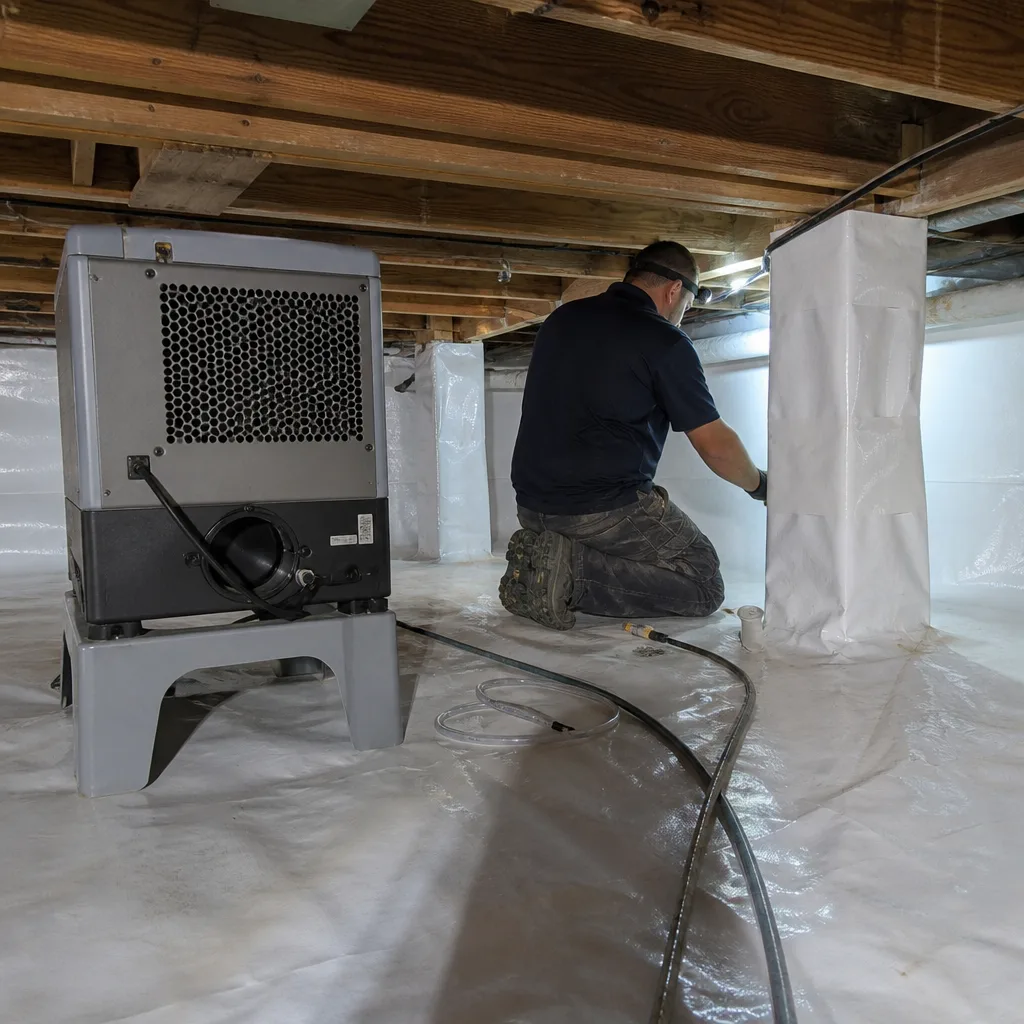
Nevada’s 2018 IECC sets real minimums for R-value and airtightness, but the inspection process in Clark County verifies what gets installed, not how the building envelope actually performs. That gap is where money gets wasted. Insist on air sealing before insulation. Ask for a blower-door reading. Request the inspection record and certificate of completion at the end of the job, and file them. Under The Haven Standard, we’ve completed more than 9,000 homes since 2016 with a written price before work started, a 365-Day Done Right Promise, and a Documented Photo Record on every visit. If your Henderson insulation job deserves a record behind it, call (844) 320-5338 for a free estimate.
Written by the team at Envelope Insulation Henderson.